

the radical optimism experiment
100 days of best case scenarios

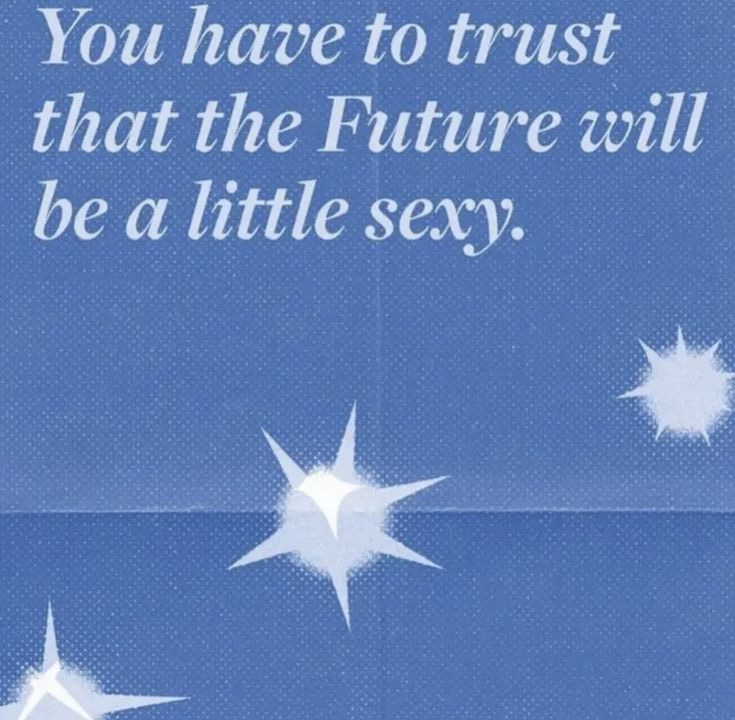
One of the tricky, funny little games of life is how we often suffer a lot more in our head than we do in reality. If you’re anything like me, a pretty naturally anxious person, you’ll go through phases in life where a combination of circumstances, pressure, or changes, might lead to anxiety creeping up on you to the point where before you know it, you’ll find yourself at times assuming the worst. Small things will feel like massive obstacles before they even happen, just because you really don’t want them to ever happen. It’s often not a fear of something terrible taking place, but rather more of a fear of having to at some point, hypothetically, potentially, experience difficult feelings that you think you won’t be able to handle. Even when you know you’d eventually be okay, you just don’t want to have to go through that.
I’m no stranger to anxiety, having grown up with it, even though today it’s far from holding the steering wheel in my life – but like most people, I go through phases that are better and worse. There was a day recently where I found myself thinking of this elaborate worst-case scenario that I would simply hate to go through in real life. Vivid, with all the details laid out and a clear idea of exactly how I would be feeling throughout it. I had to laugh at myself – you know that has literally not happened, right?? But in these moments, no, your body doesn’t know that.
I’m someone who believes wholeheartedly that we owe ourselves a life well lived. And I also strongly believe that a life lived optimistically is enjoyed much more, and lived a lot more fully, than a life lived in fear, expecting the worst case scenarios.
I don’t usually set new year’s resolutions, but rather more general intentions of how I want to show up for myself each year – things I’m working on, beliefs I’m trying to change, and dreams I am working on bringing to life. According to neuroscience research, it takes 66 days to rewire a habit or belief system. With the right tools and the right work, neuroplasticity allows your brain to change its patterns and adapt. When I was 16 and getting out of a few years of serious depression, this is what made me understand that there was actual hope of ever becoming an optimistic person, that it wasn’t a lost cause. So a lot of research and a lot of perseverance and belief helped me grow into a genuinely optimistic person in the years that followed, and still today.
That doesn’t mean anxiety went away, but rather that I found it a lot easier after a point to actually believe that things could work out for me. And time and time again, they did. I tried out things that I thought were completely delusional, and they worked. I launched a business alongside my studies while juggling multiple jobs, with no resources or business knowledge, and 6 years later it is my full time job and employs multiple people. I got a book deal at 23. I shot my shot for opportunities and things that seemed entirely unlikely and impossible, and many times, they worked out. Had you told 16 year old me that, she would’ve never believed you. I learned that believing things can work out for you has far greater benefits than believing they won’t, and lowering your expectations to avoid disappointment. I learned that despite the self-help advice telling you detachment is the way to peace of mind, getting attached to outcomes actually makes for a much richer and more fulfilling life experience. Expecting things to work, to be good, assuming the best rather than the worst.
Finding myself picturing vivid worst-case scenarios the other day, I realized that in some areas for my life, there’s still a lot of progress to be made. Depending on your wounds and your past, it’s going to be much easier to be optimistic in some areas than others. I want to be someone who can live a life expecting the best, going about each day with optimism and genuine faith –not pretend– in things going well, and knowing I will be okay even if they don’t.
So the challenge I am setting myself for the next couple of months is to embark on a 100 Days of Radical Optimism Experiment. Just for myself, to see how it feels and where it leads. And because proof helps your brain learn. So being able to think back at a time where I chose to assume the best rather than the worst, and it actually did turn out well, helps me do that again and again in the future. If you want to, you can join me. When your brain is running on a worst-case scenario loop, this is about choosing to test out a best-case scenario loop instead. Because very often, they’re equally possible. I’d rather keep my eyes on the one that leads to me enjoying my everyday life more, to feel more love and excitement and belief, rather than more fear.
This is not an experiment where you ignore your anxiety, pretend you have no fears, or go full-on toxic positivity. That would defeat the point. It’s just an experiment where, when your nervous system expects loss, you train it to expect safety. It doesn’t mean expecting no bad things to happen, but rather focusing on the fact that things will eventually work out in ways you might not yet see, and that life might surprise you positively. Arguing and rationalising your fears out of existing is usually not possible or healthy – but balancing them with an equally possible, more exciting outcome is.
I find that under the surface, optimism is really about confidence. You know those rare people who seem to glow with a deep confidence that things will work out for them no matter what? You look at them and you can tell through their energy that they really have a strong sense of security in everything they have. I think it ultimately comes from the fact that they know with absolute certainty that even when things don’t go their way, they can trust themselves fully to be their own best friend, choose themselves, and prioritise doing what needs to be done.
The benefit is huge, and the downside so little. When you believe things are likely to work out well, you shoot your shot more for ambitious things that you otherwise would’ve feared are out of your league. In this post, I shared a lot of stories from times where I shot my shot completely delusionally and it actually worked. They pretty much changed my brain chemistry. The more you do it, the easier it becomes to find proof for your brain to keep believing. You’ll also be a lot more present, because instead of intricately exploring and fleshing out vivid worst-case scenarios, you’ll eventually find it easier to just be, in your work, your relationship, your life, and to focus on what’s actually there.
For at least 100 days, I’m choosing to assume the best. To catch myself when I’m fearfully assuming and predicting the worst, and try to immerse myself actively in the best case scenario instead. I get to ask myself “how big and incredible and amazing could it be???” and choose to vividly imagine that scenario instead, with all its extravagant details, and all the fun, the love, the security, the potential. Why not?
Setting a timeframe to it that isn’t as long as an entire year also feels more manageable, because when it feels too difficult to do, you can remind yourself you’re only practicing this for a little while – you’re not trying to drastically change your entire way of being overnight. You’re just practicing something for enough time to see how it may affect you. I’m a big fan of things that are an easy “why not?”, that can have an outsized impact in my life. This is my first challenge of 2026 – I invite you to join me if you feel like this is something you might need, and to practice assuming (and vividly imagining) the best. This experiment is a way to become more comfortable with dreaming big, without fearing that it’s too unlikely or too much. No desire or dream is too big or too audacious to be valid, if that’s what you really want.
This is going to be liberating 💙
This. I love this. I am someone who does think about best case scenarios. But there are days when the worse case scenes seep in my blood and all I can do is sit and cry. But this. This gives such a hope and I'll definitely try this. Also, congratulations for everything you've achieved. You're just getting started🥳🧡